








Who Is Responsible for a Pedestrian Accident in Illinois?
Learn who may be responsible for a pedestrian accident in Illinois, how right-of-way rules apply, and what evidence may support a pedestrian injury claim.
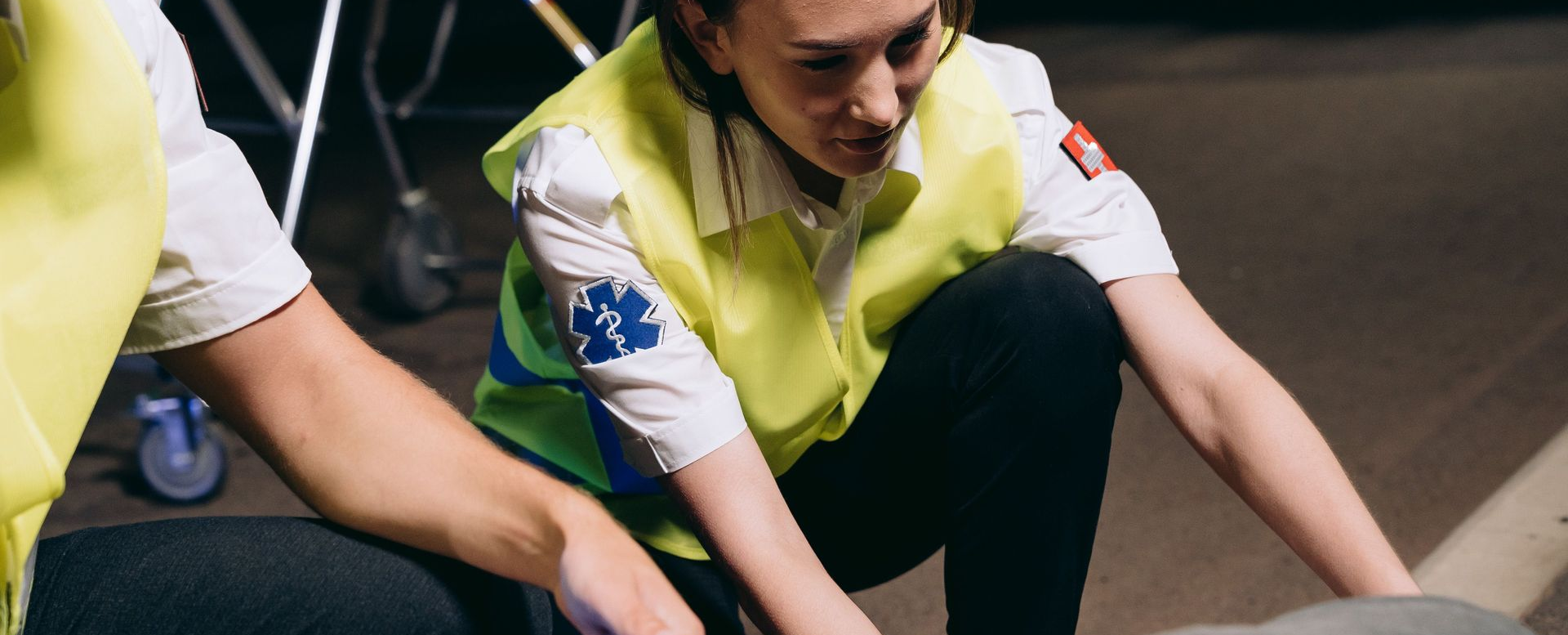
Pedestrian accidents can result in serious injuries, particularly when a person is struck by a vehicle while crossing a street, walking through a parking lot, or traveling near traffic.
When a pedestrian is injured, determining who may be legally responsible requires examining how the accident happened, whether traffic laws were followed, and whether the driver or pedestrian contributed to the collision.
Illinois law establishes specific rules regarding pedestrians' rights and duties. For example, when traffic signals are not operating or are not present, drivers generally must stop and yield to pedestrians crossing within a crosswalk under the circumstances established by Illinois law.
However, pedestrian accident cases are highly fact-specific. Understanding the applicable rules and preserving evidence after an accident can be important when evaluating a potential personal injury claim.
What Are the Most Common Causes of Pedestrian Accidents?
Pedestrian accidents can happen for many different reasons.
Common causes may include:
- Distracted driving
- Failure to yield the right of way
- Speeding
- Failure to obey traffic signals
- Driving under the influence
- Unsafe turns
- Failing to check for pedestrians
- Poor visibility
- Dangerous road conditions
In some cases, more than one factor may contribute to an accident.
Do Pedestrians Have the Right of Way in Illinois?
Illinois law gives pedestrians specific rights at crosswalks.
When traffic control signals are not in place or are not operating, a driver generally must stop and yield to a pedestrian crossing within a crosswalk when the pedestrian is on the driver's half of the roadway or is approaching closely enough from the opposite half to be in danger.
Pedestrians also have legal responsibilities. For example, a pedestrian may not suddenly leave a curb or other place of safety and enter the path of a vehicle that is so close that doing so would create an immediate hazard.
Pedestrians crossing outside a marked or applicable unmarked crosswalk generally must yield to vehicles, subject to the specific rules that apply to the location and circumstances.
Because both drivers and pedestrians have legal duties, determining fault requires examining what each person did immediately before the collision.
What If the Pedestrian Was Crossing at a Crosswalk?
Crosswalks can be particularly important when determining right of way.
Illinois law generally requires drivers to yield to pedestrians crossing within a crosswalk under the circumstances described by the statute. Additionally, when a vehicle stops at a marked or applicable unmarked crosswalk to allow a pedestrian to cross, another driver approaching from behind generally may not pass the stopped vehicle.
Pedestrian-control signals can also affect the analysis. When a pedestrian signal displays "Walk" or the walking-person symbol, pedestrians facing the signal may proceed and drivers must give them the right of way.
The exact traffic signals, location, visibility, and movements of the vehicles and pedestrian can therefore become important evidence.
Can a Pedestrian Be Partly Responsible for an Accident?
Yes.
A pedestrian's actions may be considered when determining responsibility for an accident.
For example, questions may arise about whether the pedestrian:
- Crossed outside a permitted crossing area
- Disobeyed a traffic signal
- Entered the roadway unexpectedly
- Was distracted
- Failed to observe approaching traffic
However, the fact that a pedestrian may have contributed to an accident does not necessarily mean that the pedestrian cannot recover compensation.
Illinois applies comparative-fault principles in personal injury cases. The amount of compensation may depend on the percentage of fault attributed to each party and the applicable legal rules.
What Evidence Can Help Prove a Pedestrian Accident Claim?
Evidence can be critical because the circumstances surrounding a pedestrian accident may be disputed.
Potentially useful evidence may include:
- Police reports
- Photographs of the accident scene
- Traffic-camera or surveillance footage
- Dashcam footage
- Witness statements
- Medical records
- Photographs of injuries
- Vehicle damage
- Traffic signal information
- Cellphone or other relevant records
- Accident reconstruction evidence
Evidence showing the location of the pedestrian, the vehicle's position, traffic signals, lighting, and road conditions may help establish how the collision occurred.
What Injuries Can Result From a Pedestrian Accident?
Because pedestrians have little physical protection against vehicles, collisions can result in significant injuries.
Potential injuries may include:
- Broken bones
- Head injuries
- Traumatic brain injuries
- Spinal cord injuries
- Internal injuries
- Soft-tissue injuries
- Nerve damage
- Permanent disability
- Disfigurement
Some injuries may require extensive medical treatment, rehabilitation, or time away from work.
What Compensation May Be Available?
Depending on the circumstances of the claim, an injured pedestrian may seek compensation for losses such as:
- Medical expenses
- Future medical treatment
- Lost wages
- Reduced earning capacity
- Rehabilitation expenses
- Pain and suffering
- Disability
- Disfigurement
- Other economic and non-economic losses
The damages available in an individual case depend on the severity of the injuries, the evidence, and the specific circumstances of the accident.
What Should You Do After a Pedestrian Accident?
If you are injured in a pedestrian accident, taking steps to preserve evidence can be important.
When possible:
- Seek medical attention
- Report the accident
- Obtain a copy of the police report
- Photograph the scene and your injuries
- Identify witnesses
- Preserve relevant video or photographs
- Keep medical records and bills
- Avoid making statements about fault before understanding the circumstances
Because surveillance footage or other evidence may not be preserved indefinitely, documenting the accident promptly can be particularly important.
When Should You Speak With a Pedestrian Accident Attorney?
Pedestrian accident cases can involve questions about right of way, traffic laws, comparative fault, insurance coverage, evidence, and the severity of the injuries.
An Illinois personal injury attorney can review the circumstances of the accident, identify potentially responsible parties, evaluate available evidence, and explain your legal options.
If you or a loved one has been injured in a pedestrian accident in Illinois,
Weiss Ortiz Attorneys & Mediators can help you understand your legal rights and possible options.