







Who Is Responsible for a Motorcycle Accident in Illinois? | Weiss Ortiz
Who is responsible for a motorcycle accident in Illinois? Learn how fault is determined and when another driver, employer, manufacturer, or third party may be liable.
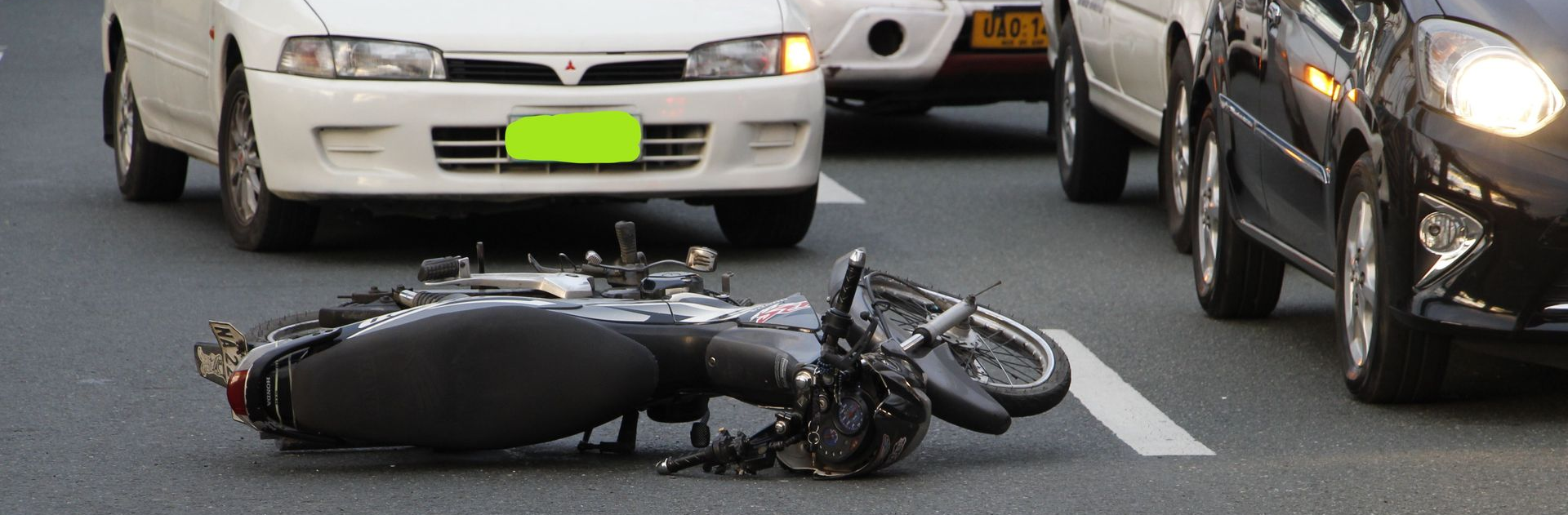
Motorcycle accidents can result in serious injuries, significant medical expenses, lost income, and long-term consequences. When a crash occurs, one of the most important questions is often: Who is responsible for the accident?
The answer is not always as simple as determining which vehicle made contact with the motorcycle.
Depending on the circumstances, responsibility may involve another driver, a motorcycle rider, an employer, a vehicle or motorcycle manufacturer, a government entity, or another party whose negligence contributed to the crash.
Illinois law generally evaluates responsibility based on the conduct of the parties involved and whether that conduct contributed to causing the accident and resulting injuries.
Understanding how fault may be determined can help an injured motorcyclist understand what legal options may be available.
How Is Fault Determined After a Motorcycle Accident in Illinois?
In a personal injury case, determining responsibility generally involves examining whether someone acted negligently and whether that conduct caused the accident and resulting injuries.
Evidence may be used to determine what happened before, during, and after the collision.
Factors that may be considered include:
- Whether a driver violated traffic laws.
- Whether a driver was distracted.
- Whether a driver failed to yield the right of way.
- Whether a driver was speeding.
- Whether a driver made an unsafe turn or lane change.
- Whether a motorcyclist was operating the motorcycle safely.
- Road and weather conditions.
- Vehicle or motorcycle maintenance.
- Statements from witnesses.
- Police reports.
- Video or surveillance footage.
The specific facts of the accident are important because more than one person or entity may potentially share responsibility.
Can Another Driver Be Responsible for a Motorcycle Accident?
Yes. Another driver's negligence is one of the most common potential sources of liability in a motorcycle accident.
A driver may potentially be responsible when the driver's conduct causes or contributes to the collision.
Examples may include:
Distracted Driving
A driver who is texting, using a phone, adjusting a navigation system, or otherwise distracted may fail to notice a motorcycle.
Because motorcycles are smaller than passenger vehicles, failing to see a motorcycle can have serious consequences.
Failure to Yield
A driver who fails to yield the right of way may cause a collision at an intersection, while turning, merging, or entering a roadway.
Unsafe Lane Changes
A driver who changes lanes without properly checking for motorcycles can cause a serious crash.
Speeding
Excessive or unsafe speed can reduce a driver's ability to react to a motorcycle and increase the severity of a collision.
Driving Under the Influence
Alcohol or drugs can impair reaction time, judgment, and the ability to safely operate a vehicle.
If impaired driving contributed to a motorcycle accident, the circumstances may be relevant to the injured person's claim.
Can a Motorcyclist Be Partially Responsible?
Yes.
The fact that another vehicle was involved does not automatically mean the other driver is entirely responsible.
Illinois follows a modified comparative fault rule. If an injured person's contributory fault is more than 50% of the proximate cause of the injury or damage, the person is barred from recovering damages. If the person's fault is 50% or less, the damages awarded are reduced in proportion to that person's fault.
For example, if a motorcyclist were found to be 20% responsible for an accident and had $100,000 in compensable damages, the recoverable damages could be reduced by 20%, subject to the specific facts and applicable law.
This is why insurance companies may closely examine the motorcyclist's actions after a crash.
Does Not Wearing a Helmet Automatically Prevent a Motorcycle Injury Claim?
Not necessarily.
A helmet issue can become relevant to a motorcycle injury case, but it does not automatically answer the question of who caused the collision.
The circumstances of the accident, the nature of the injuries, and the evidence concerning causation and fault all matter.
Because comparative fault can affect recovery, an injured motorcyclist should have the specific facts of the accident evaluated rather than assuming that one factor automatically determines the outcome.
Can a Motorcycle Manufacturer Be Responsible?
In some cases, a defective motorcycle or component may contribute to an accident or injury.
Depending on the circumstances, a potential claim may involve a manufacturer, distributor, or another party in the product's chain of distribution.
Examples could include problems involving:
- Brakes.
- Tires.
- Steering components.
- Throttle systems.
- Electrical components.
- Other defective motorcycle parts.
These cases can require technical evidence and may involve product liability laws in addition to ordinary negligence principles.
Can Poor Road Conditions Cause a Motorcycle Accident?
Road conditions can also contribute to a motorcycle crash.
Potential hazards may include:
- Potholes.
- Unsafe construction zones.
- Debris.
- Defective road surfaces.
- Missing or inadequate warnings.
- Other dangerous roadway conditions.
Depending on the circumstances, responsibility may involve a government entity, contractor, property owner, or another party.
Claims involving governmental entities can involve additional legal requirements and deadlines, so these cases should be evaluated carefully.
Can an Employer Be Responsible for a Motorcycle Accident?
If a motorcycle accident involves someone who was working at the time of the crash, the employer may potentially become relevant to the claim.
For example, a collision involving a delivery driver or another employee may raise questions about whether the employee was acting within the scope of employment.
The specific facts are important when determining whether an employer or another business may have legal responsibility for an employee's conduct.
Can More Than One Person Be Responsible?
Yes.
A motorcycle accident can involve multiple contributing factors.
For example, another driver may have made an unsafe lane change while a road defect also contributed to the collision.
In another situation, a defective motorcycle component could combine with another driver's negligent conduct.
When multiple parties may have contributed to an accident, determining each party's role and percentage of fault can become an important part of the case.
Illinois law contains specific rules governing comparative fault and the liability of multiple parties.
What Evidence Can Help Prove Responsibility?
Evidence can be critical when determining who caused a motorcycle accident.
Depending on the circumstances, useful evidence may include:
- Police reports.
- Photographs of the accident scene.
- Photographs of the motorcycle and other vehicles.
- Dashcam or surveillance footage.
- Traffic camera footage.
- Witness statements.
- Medical records.
- Accident reconstruction evidence.
- Vehicle damage.
- Motorcycle maintenance records.
- Cell phone records when relevant.
- Road condition photographs.
- Insurance information.
Evidence can become more difficult to obtain as time passes.
For that reason, preserving available evidence after an accident can be important.
What If the Other Driver Says the Motorcycle Rider Caused the Crash?
An insurance company's position does not necessarily determine legal responsibility.
After a motorcycle accident, an insurer may argue that the motorcyclist was speeding, failed to yield, changed lanes improperly, or otherwise contributed to the collision.
The evidence should be evaluated as a whole.
Police reports, photographs, witness testimony, video footage, vehicle damage, medical records, and other evidence may help establish what actually happened.
If comparative fault is disputed, determining the percentage of responsibility attributed to each party can significantly affect a potential recovery.
What Damages Can an Injured Motorcyclist Recover?
When another party is legally responsible for a motorcycle accident, an injured person may potentially seek compensation for losses supported by the facts and applicable law.
Depending on the circumstances, damages may include:
- Medical expenses.
- Future medical treatment.
- Lost wages.
- Loss of future earning capacity.
- Property damage.
- Physical pain and suffering.
- Disability.
- Disfigurement.
- Other economic and non-economic losses.
The specific damages available depend on the circumstances of the case and the evidence supporting the claimed losses.
What Should You Do After a Motorcycle Accident?
After a motorcycle crash, taking certain steps may help preserve evidence and protect your interests.
Seek Medical Attention
Some motorcycle accident injuries may not be immediately apparent.
Medical documentation can also help establish the nature and extent of injuries related to the accident.
Document the Scene
If it is safe to do so, take photographs or videos of:
- The vehicles.
- The motorcycle.
- Road conditions.
- Traffic signs.
- Visible injuries.
- Debris.
- Damage to surrounding property.
Gather Witness Information
Obtain contact information for people who witnessed the accident whenever possible.
Report the Accident
Follow the appropriate procedures for reporting the collision and obtain a copy of the applicable report when available.
Preserve Evidence
Keep medical records, bills, photographs, insurance documents, repair estimates, and other records related to the accident.
Be Careful When Speaking With Insurance Companies
Insurance companies may ask questions about the accident and your injuries.
Before making statements or accepting a settlement, it may be helpful to understand your legal rights and the potential value of your claim.
How Long Do You Have to File a Motorcycle Accident Claim in Illinois?
Illinois has statutes of limitation that can restrict the amount of time available to file a personal injury lawsuit.
The applicable deadline can depend on the nature of the claim and the parties involved. Additional rules may apply in cases involving governmental entities or other specific circumstances.
Because missing an applicable deadline can affect the ability to pursue a claim, it is important to seek legal advice promptly after a serious motorcycle accident.
How Can a Motorcycle Accident Attorney Help?
Determining responsibility after a motorcycle accident can involve more than simply identifying the vehicle that collided with the motorcycle.
An attorney can investigate the circumstances of the crash, gather available evidence, identify potentially responsible parties, evaluate comparative fault issues, and communicate with insurance companies.
When multiple parties or complicated evidence are involved, a detailed investigation may be particularly important.
Injured in a Motorcycle Accident in Illinois?
If you were injured in a motorcycle accident, determining who is responsible may be an important first step toward understanding your legal options.
Weiss Ortiz Attorneys & Mediators represents individuals dealing with personal injury and other legal matters throughout Cook County, Illinois, including Chicago, La Grange Park, Oak Brook, and Deerfield.
☎️ 773-498-4498
🌐 weissortizlaw.com
Disclaimer: This article is provided for informational purposes only and does not constitute legal advice. Every motorcycle accident case is different, and past results do not guarantee future outcomes. Reading this article does not create an attorney-client relationship. If you have been injured in a motorcycle accident, consult with a qualified Illinois attorney about your specific circumstances.