







Construction Accident Lawyer Illinois: Workplace Fall Injuries | Weiss Ortiz
Hurt in a fall at work? Learn how premises liability, third-party claims, and workers’ compensation work together in Illinois construction accidents.
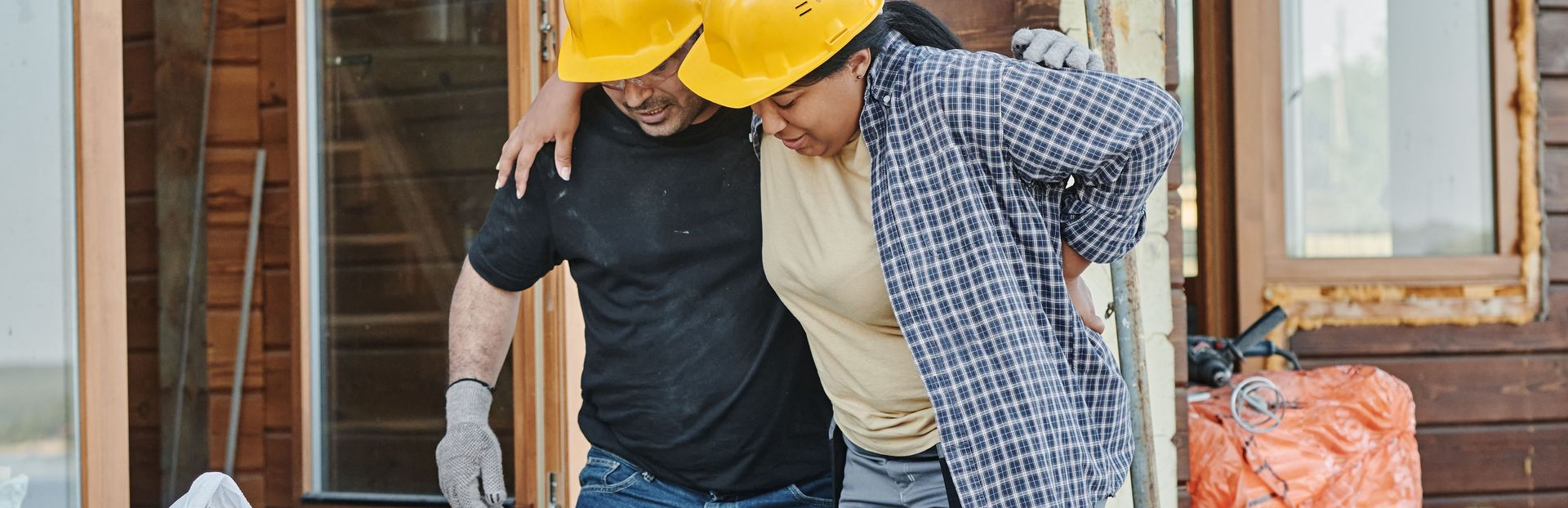
A recent Illinois appellate decision about a fall through an unprotected skylight shows why construction and workplace fall injuries can involve more than one responsible party. Learn how premises liability, third-party claims, and workers’ compensation fit together.
When a worker is hurt in a fall on a job site, many people assume that workers’ compensation is the only path. In Illinois, that is often only part of the picture. Property owners, general contractors, subcontractors, and other third parties can also owe duties of care, and when they fail to meet them, an injured worker may have additional options.
On October 14, 2026, the Illinois Appellate Court, Second District, issued its decision in Kraeplin v. John B. Sanfilippo & Son, Inc., 2026 IL App (2d) 250495, a case about a worker who fell through a skylight on a factory roof. The court found that, under the circumstances, reasonable care required the property owner to warn about the unprotected skylight. The ruling is a useful example of how premises liability connects workplace safety with property owner responsibility.
Key Takeaways
- Workplace fall injuries often involve more than your employer. Property owners and other third parties may share responsibility.
- In Illinois, workers’ compensation generally prevents a lawsuit against your own employer, but it does not prevent a claim against a negligent third party.
- Under premises liability law, a property owner may have a duty to warn about dangerous conditions, including unprotected skylights and roof openings.
- An “open and obvious” defense does not automatically end a case. The facts of each accident decide the outcome.
- Evidence disappears quickly after a construction accident, and deadlines apply. Acting early protects your rights.
Why Falls Through Skylights and Roof Openings Are So Dangerous
A skylight can look like part of the roof when you are standing on it. Dust, weather, or roofing material can hide it, and it is not designed to hold a person’s weight. A step onto the wrong surface can mean a fall to the floor below.
Falls from roofs and other heights can cause catastrophic injuries, including broken bones, spinal cord injuries, and traumatic brain injuries. These injuries often lead to long recoveries, lost income, and permanent limitations, which is why it matters to understand every source of compensation that may be available.
What Happened in Kraeplin v. John B. Sanfilippo & Son?
According to the published opinion, the owner of a factory had hired a roofing contractor to work on its roof. A worker fell through a skylight and was injured. The skylight had no fall protection, including no protective screen beneath it.
The roofing company trained its employees about fall hazards, and its crews used full fall protection on roofing jobs. Testimony in the case indicated that the owner never told the roofing crew that this skylight was unprotected, and that a supervisor would have directed workers to use fall protection had he known.
The owner argued that the skylight was an open and obvious condition and that it owed the worker no duty to protect or warn him. A lower court sided with the owner. The Second District reversed and sent the case back.
Why the Court Focused on a Duty to Warn
The court examined whether reasonable care required the owner to warn about the danger. It pointed out that the owner could have met its obligation simply by telling the roofing crew that the skylight was unprotected, a small burden compared with the risk of a fall through the roof.
What This Decision Does and Does Not Mean
The ruling does not decide who wins the case. Because it was sent back to the lower court, the dispute continues. It also applies the law to its own facts, and it comes from the Second District, so other courts may view different facts differently.
What it does show is that, in Illinois, calling a hazard open and obvious is not always the end of the discussion, especially when the owner knew about a danger that workers on the job may not have known about.
Can You Sue Someone Other Than Your Employer After a Workplace Fall?
Often, yes. Under the Illinois Workers’ Compensation Act, 820 ILCS 305/5(a), an injured worker generally cannot sue their own employer for negligence in exchange for receiving no-fault benefits. But 820 ILCS 305/5(b) allows an injured worker to bring a claim against a third party whose negligence caused the injury.
Collecting workers’ compensation benefits does not stop you from pursuing a third-party claim. However, your employer or its insurer may have a lien on part of a third-party recovery, so the two tracks need to be coordinated carefully.
Who Can Be Responsible for a Construction or Workplace Fall?
Responsibility depends on who controlled the site, the work, and the dangerous condition. Depending on the facts, possible responsible parties include:
- Property owners or managers, if they knew or should have known about a dangerous condition and failed to warn or fix it.
- General contractors, if they controlled site safety or coordinated the work.
- Subcontractors, if their work created or left the hazard.
- Equipment or safety product manufacturers, if a defective product contributed to the fall.
Identifying every responsible party early matters, because each one may have insurance coverage and different legal duties.
What Is Premises Liability in Illinois?
Premises liability is the area of law that holds property owners and occupiers responsible when dangerous conditions on their property injure someone. Under the Illinois Premises Liability Act, 740 ILCS 130/2, owners and occupiers generally owe a duty of reasonable care to people lawfully on the property.
In a construction or roofing setting, that can include warning contractors and their workers about hazards the owner knows about, such as an unguarded skylight, a weak roof surface, or an open hole.
What Evidence Matters in a Construction Fall Case?
Strong evidence can make a major difference. It may include:
- Photos and videos of the area where you fell, taken as soon as possible.
- The incident report and any communications about the accident.
- Contracts, work orders, and emails showing who hired whom and who knew about roof conditions.
- Safety plans, training records, and fall protection records.
- Witness names and statements.
- Medical records and bills.
- Records of inspections or safety complaints, including any OSHA records.
Safety standards, including OSHA fall protection rules, can also be relevant to what reasonable care required in a particular situation.
How Long Do You Have to File a Claim?
A third-party personal injury lawsuit in Illinois generally must be filed within two years of the injury under 735 ILCS 5/13-202. Workers’ compensation claims have their own separate deadlines, including a short window to notify your employer about the accident, so report your injury right away.
Surveillance footage can be erased and job sites change quickly, so waiting can cost you both your rights and your proof.
What Should You Do After a Fall at a Construction Site or Workplace?
- Get medical care. Your health comes first, and medical records document your injuries.
- Report the accident. Tell your employer or supervisor right away and make sure it is documented.
- Document the scene. Take photos and videos of the hazard and the surrounding area, if it is safe to do so.
- Collect witness information. Names and phone numbers can be valuable later.
- Be careful with insurance companies. Avoid giving a recorded statement or signing anything before getting legal advice.
- Keep your records together. Save medical bills, pay records, and any paperwork connected to the job.
- Speak with a construction accident lawyer. A lawyer can review who may be responsible and how workers’ compensation and third-party claims fit together.
Frequently Asked Questions About Construction Accidents in Illinois. Can I file a claim if I was hurt in a fall at a construction site in Illinois?
Yes, in many cases. You may be able to receive workers’ compensation benefits and, depending on the facts, bring a separate claim against a third party whose negligence contributed to your fall.
Can I sue my employer for a workplace fall injury?
Generally, no. Workers’ compensation is usually the exclusive remedy against your own employer in Illinois, but it does not prevent claims against other responsible parties.
Who besides my employer can be responsible for a workplace fall?
Property owners, general contractors, subcontractors, property managers, and product manufacturers can all be responsible, depending on who controlled the site and the hazard.
What is a duty to warn?
It is an obligation to tell people about a danger the owner knows about, or should know about, when they may not be aware of it. Whether the duty applies depends on the facts of the case.
Does an open and obvious hazard end my claim?
Not automatically. Illinois courts weigh the specific facts, as the Kraeplin decision shows.
How long do I have to file?
Generally two years for a third-party personal injury lawsuit, and separate, shorter notice requirements apply to workers’ compensation claims.
Do I need a lawyer?
You are not required to hire one, but construction accident cases often involve several parties, insurance companies, and liens. Talking to a lawyer early can help you understand your options.
Injured in a Construction Accident in Illinois? Talk to a Construction Accident Lawyer
The Kraeplin decision shows that workplace fall injuries are rarely as simple as they look. Who controlled the site, who knew about the danger, and who failed to warn can all change who may be responsible. Before you assume workers’ compensation is your only option, have someone review the facts.
Weiss Ortiz Attorneys & Mediators serves clients throughout Cook County, Illinois, including Chicago, La Grange Park, Oak Brook, and Deerfield.
Weiss Ortiz Attorneys & Mediators
- Cook County, Illinois | Chicago | La Grange Park | Oak Brook | Deerfield
- Free consultations: 773-498-4498
- Website: weissortizlaw.com
Attorney Advertising. Legal Disclaimer: This article is provided for informational purposes only and does not constitute legal advice. Laws may change, and their application depends on the specific facts of each situation. The Kraeplin decision was issued by the Second District Appellate Court, reversed a lower court ruling, and sent the case back for further proceedings; it applies the law to its own facts. Reading this article does not create an attorney-client relationship. Past results do not guarantee a similar outcome.