








Birth Injury Medical Malpractice in Illinois | Weiss Ortiz
When Can a Birth Injury Lead to a Medical Malpractice Claim in Illinois? Learn when a birth injury may qualify as medical malpractice in Illinois, what evidence matters, and how families can explore their legal options.
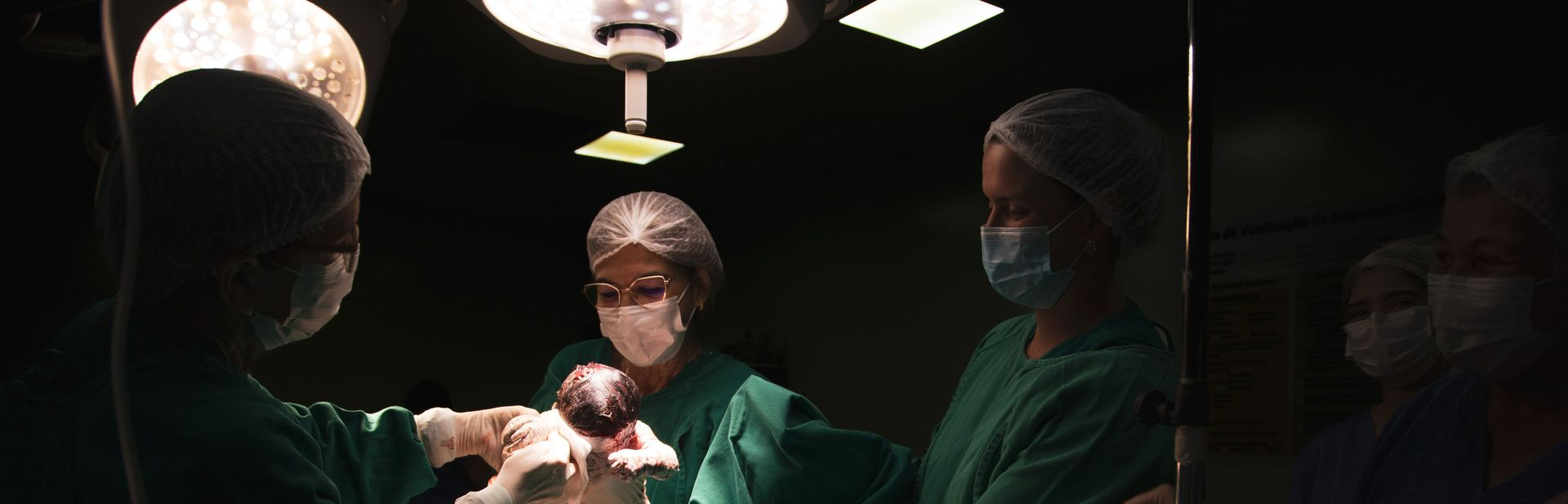
The birth of a child should be a moment of joy, but unexpected injuries during pregnancy, labor, or delivery can leave families facing difficult questions. When a newborn experiences a serious medical condition, parents may wonder whether the injury was an unavoidable complication or the result of a preventable medical error.
Not every birth injury is caused by negligence. However, when a healthcare provider fails to meet the accepted standard of medical care and that failure causes harm to a mother or child, the circumstances may warrant a medical malpractice investigation. Understanding how birth injury claims work in Illinois can help families recognize when they may have legal options and what steps they can take to protect their child’s interests.
What Is a Birth Injury?
A birth injury is physical harm or a medical condition that occurs before, during, or shortly after childbirth. Some injuries are temporary and resolve with treatment, while others may lead to long-term medical needs or developmental challenges.
Birth injuries can be associated with complications during pregnancy, labor, delivery, or newborn care. Depending on the circumstances, they may involve:
- Brain injuries associated with oxygen deprivation
- Nerve damage, including brachial plexus injuries
- Fractures or other physical trauma during delivery
- Injuries connected to delayed or improper medical intervention
- Certain complications related to premature birth or inadequate monitoring
A diagnosis alone does not establish that medical malpractice occurred. Determining whether an injury was preventable requires a careful review of the medical circumstances and the care provided.
When Can a Birth Injury Be Considered Medical Malpractice?
In Illinois, a birth injury may support a medical malpractice claim when the evidence shows that a healthcare provider failed to meet the applicable standard of care and that the failure caused the injury.
Medical malpractice cases generally require establishing four key elements:
1. A Duty of Care
The healthcare provider must have had a professional responsibility to provide medical care to the mother or child. This may include obstetricians, nurses, hospitals, and other medical professionals involved in prenatal, labor, delivery, or newborn care.
2. A Breach of the Standard of Care
The provider must have acted—or failed to act—in a way that fell below the applicable medical standard of care. This assessment depends on the circumstances and generally requires qualified medical review.
3. A Connection Between the Breach and the Injury
It is not enough to show that a medical error occurred. Evidence must also establish that the breach caused or contributed to the child’s injury.
4. Resulting Damages
The injury must have resulted in legally recognized harm, which may include medical expenses, ongoing treatment needs, or other losses supported by the evidence.
Because birth injury cases can involve complex medical questions, a detailed review of the records and relevant medical evidence is often essential.
Examples of Medical Errors That May Lead to Birth Injury Claims
Certain errors during pregnancy, labor, delivery, or newborn care may raise concerns about whether appropriate medical care was provided. The specific facts matter in every case.
Failure to Monitor Fetal Distress
Healthcare providers may use fetal heart rate monitoring to assess a baby’s condition during labor. If signs of fetal distress are not properly recognized or addressed, the delay may contribute to serious harm.
Delayed or Improper Delivery Decisions
In some situations, a timely delivery—including an emergency C-section—may be medically necessary. A failure to respond appropriately to changing conditions could warrant further investigation if it results in injury.
Improper Use of Delivery Instruments
Forceps or vacuum extractors may be appropriate in certain deliveries. However, improper use or failure to consider relevant risks may contribute to physical trauma.
Failure to Recognize or Respond to Maternal Complications
Certain maternal conditions can create risks for both the mother and child. A failure to identify or appropriately manage relevant complications may raise questions about the care provided.
Inadequate Newborn Care
Medical professionals must assess and respond to a newborn’s condition after delivery. Delayed recognition or treatment of certain complications may contribute to preventable harm. These examples do not automatically establish negligence. Whether a provider’s conduct fell below the applicable standard of care depends on the medical evidence and the specific circumstances.
What Types of Birth Injuries May Have Long-Term Consequences?
Some birth injuries require only limited treatment, while others can affect a child’s health and development for years. The potential impact depends on the type and severity of the injury.
Families may face ongoing concerns involving:
- Physical or motor development
- Neurological complications
- Long-term rehabilitation or therapy
- Specialized medical care
- Additional educational or support services
A child’s future medical needs may not be immediately clear after birth. When a serious injury is identified, families may benefit from understanding the diagnosis, recommended care, and whether the circumstances surrounding the injury should be reviewed.
What Evidence Is Important in an Illinois Birth Injury Case?
Medical records and expert analysis can play a significant role in evaluating a potential birth injury claim. Relevant evidence may include:
- Prenatal care records
- Maternal medical history
- Fetal monitoring strips and labor records
- Delivery and surgical reports
- Newborn assessments and hospital records
- Diagnostic tests and specialist evaluations
- Documentation of ongoing treatment and medical expenses
A qualified medical expert may be needed to assess whether the care provided met the applicable standard and whether a breach caused or contributed to the injury.
Families should preserve available records and documentation. An attorney can help identify relevant evidence and explain the process for obtaining and reviewing medical records.
How Long Do You Have to File a Birth Injury Medical Malpractice Claim in Illinois?
Illinois has specific time limits for medical malpractice claims. Under 735 ILCS 5/13-212, a claim generally must be filed within two years after the person bringing the claim knew, or reasonably should have known, of the injury. The statute also includes a four-year limit measured from the alleged act or omission, subject to statutory exceptions.
For a person who was under 18 when the cause of action accrued, the statute generally provides an eight-year period from the alleged act or omission, but the claim cannot be brought after that person’s 22nd birthday. The application of these rules can depend on the facts and the type of claim involved.
Because these deadlines can be complex—and claims involving a child may raise additional legal questions—families should not assume they can wait until a child is older to seek legal guidance.
What Should Parents Do If They Suspect a Birth Injury Was Preventable?
If you believe your child’s injury may have resulted from a medical error, consider taking the following steps:
- Continue obtaining appropriate medical care. Your child’s health and treatment needs should remain the priority.
- Keep medical records and related documents. Preserve discharge paperwork, test results, treatment plans, and other available records.
- Document your child’s diagnosis and care needs. Maintain records of appointments, therapies, expenses, and recommendations from healthcare providers.
- Write down questions and concerns. Note what you were told about the delivery, when the injury was identified, and any concerns you have about the care provided.
- Consider a legal review. An attorney experienced in medical malpractice can help evaluate whether the available facts may support a claim and explain applicable deadlines.
You do not need to determine on your own whether malpractice occurred. A legal review, together with appropriate medical analysis, can help clarify the available options.
How Can a Medical Malpractice Attorney Help?
Birth injury cases can involve extensive medical records, multiple healthcare providers, and questions about the cause and long-term effects of an injury.
An attorney may help by reviewing the circumstances of the birth, identifying potentially responsible parties, coordinating the evaluation of medical evidence, and explaining the legal process. If a claim is supported by the evidence, legal counsel can also assess the damages that may be available under Illinois law.
Every case is different, and no particular outcome can be guaranteed. The purpose of an initial review is to better understand what happened and whether there may be a basis for pursuing a claim.
Speak With Weiss Ortiz About a Potential Birth Injury Claim If your child suffered an injury before, during, or shortly after birth and you have concerns about the medical care provided, you may have questions about your family’s legal options. Weiss Ortiz Attorneys & Mediators helps individuals and families navigate complex legal matters. Contact our team to discuss your concerns and learn whether a review of the circumstances may be appropriate.
Schedule a Free Consultation
Weiss Ortiz Attorneys & Mediators
Chicago | La Grange Park | Oak Brook | Deerfield
Phone: 773-498-4498
Website: weissortizlaw.com